
The smell of freshly baked bread wafting through the house can instantly transport me to my grandmother's cozy kitchen, where the warmth of the oven wrapped us in love. Today, I’m thrilled to share my cherished White Bread recipe, a timeless classic that’s easy to make and perfect for any meal. Not only is this white bread a delightful crowd-pleaser, but it also offers a comforting, homemade touch that store-bought options simply can’t match. With just a few basic ingredients, you’ll create a golden, soft loaf that elevates sandwiches or stands proudly on your dinner table. So, are you ready to fill your home with the irresistible aroma of baking bread and create delicious memories? Let’s dive into this simple yet rewarding recipe!
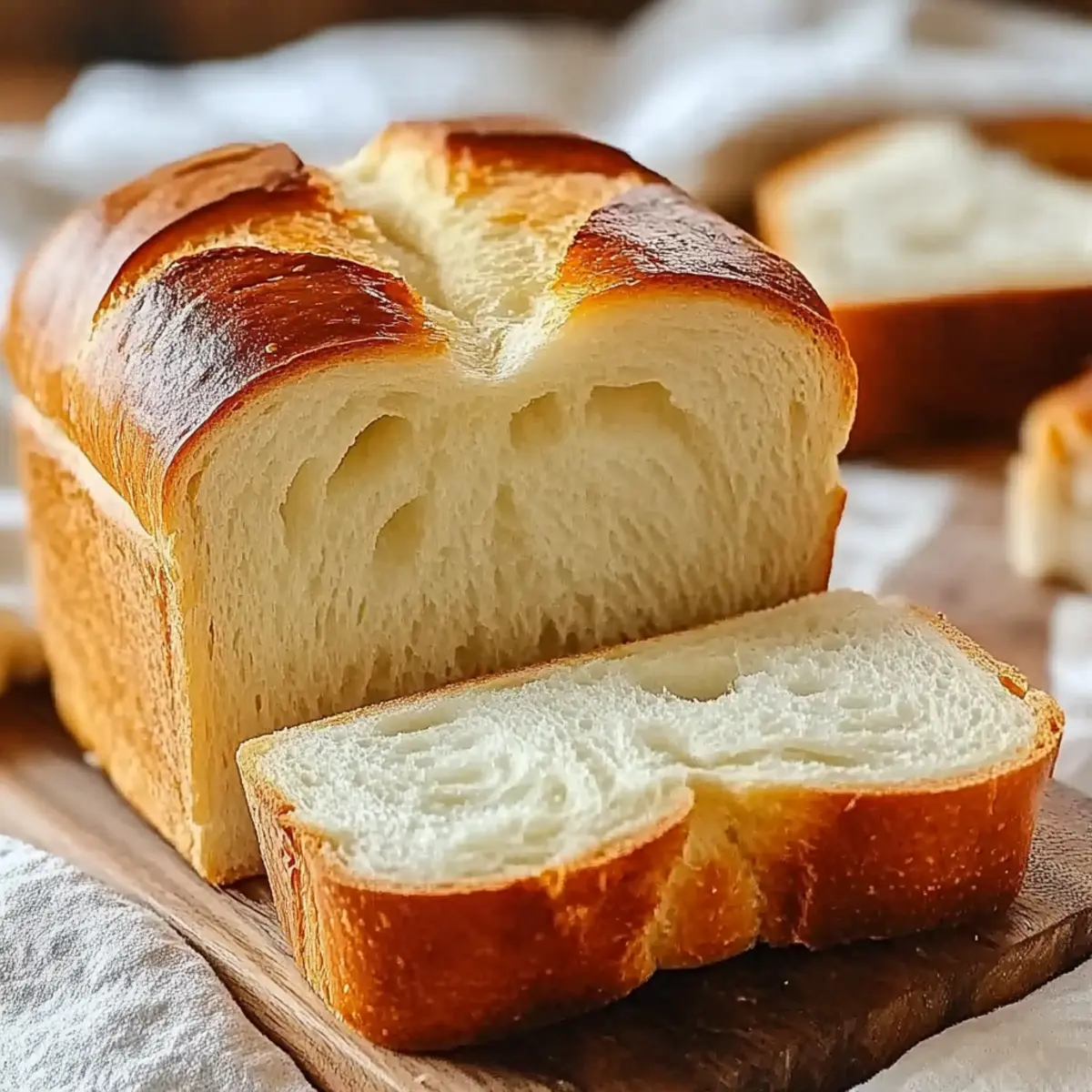
Why Is Homemade White Bread the Best?
Freshness, Homemade white bread captures the essence of flavor that you simply can't find in store-bought loaves. Easily customizable, feel free to adjust the sweetness or add in herbs for a unique twist. Perfect for sandwiches, elevate your lunch game with soft bread that holds up well to your favorite fillings. This recipe is also time-saving, allowing you to enjoy fresh bread with minimal effort. Plus, your kitchen will smell heavenly! For even more cozy recipes, check out my delicious Gingerbread Bundt Cake that’s perfect for the holidays.
White Bread Ingredients
• To create your delicious loaf at home, gather these essential ingredients!
For the Dough
- All-purpose flour – provides the structure; feel free to substitute with whole wheat for a heartier loaf.
- Sugar – enhances flavor and promotes browning; you can use honey or maple syrup as a natural alternative.
- Salt – brings out the flavors and controls yeast fermentation; don’t skip this crucial ingredient!
- Active dry yeast – helps the bread rise, ensuring it’s light and fluffy; make sure your yeast is fresh for best results.
- Warm water (110°F/43°C) – activates yeast; ensure it’s warm but not hot to avoid killing the yeast.
- Butter – adds richness and flavor; can be replaced with olive oil for a dairy-free option.
These simple yet vital ingredients come together to create the enchanting aroma and taste of homemade white bread. Happy baking!
Step‑by‑Step Instructions for White Bread
Step 1: Prepare the Yeast Mixture
In a large mixing bowl, combine 1 ½ cups of warm water, heated to about 110°F (43°C), and 2 tablespoons of sugar. Gently sprinkle 2 ¼ teaspoons of active dry yeast on top and let it sit for about 5-10 minutes. You'll know it's ready when the mixture becomes foamy, indicating that the yeast is activated and ready to work its magic in your homemade white bread.
Step 2: Mix the Ingredients
Once your yeast mixture is foamy, add 4 cups of all-purpose flour, 1 tablespoon of salt, and 2 tablespoons of melted butter to the bowl. Mix everything together until a dough begins to form, using a sturdy spatula or your hands. This will take about 3-5 minutes; the dough should start to come together and pull away from the sides of the bowl, signaling that it's time to knead.
Step 3: Knead the Dough
Transfer the dough to a floured surface and knead for approximately 10 minutes. Use the heel of your hand to push the dough away from you and then fold it back over itself. Repeat this motion until the dough is smooth, elastic, and slightly tacky but not sticky. When finished, the dough should spring back when lightly pressed, perfect for creating soft, fluffy white bread.
Step 4: First Rise
Place the kneaded dough into a greased bowl, ensuring every surface is coated with oil to prevent sticking. Cover it with a clean cloth and set it in a warm place to rise for about 1-2 hours. The dough should double in size during this time, becoming airy and puffy, which is crucial for achieving that perfect texture in your white bread.
Step 5: Shape the Dough
After the dough has risen, punch it down to release any excess air, and transfer it back onto a lightly floured surface. Shape the dough into a loaf by flattening it gently, then rolling it tightly from one end to the other. Pinch the seams to seal and place it seam-side down in a greased loaf pan for baking, preparing it for the second rise.
Step 6: Second Rise
Cover the shaped loaf with a clean cloth and let it rise again for about 30-45 minutes. During this time, the dough should rise above the edge of the pan, ensuring that it will create that beautiful dome shape when baked. This final rise is vital for developing the lightness that will make your homemade white bread irresistible.
Step 7: Preheat the Oven
While the loaf is rising, preheat your oven to 375°F (190°C). This temperature will create the ideal environment to achieve a crispy crust while keeping the inside soft and fluffy. Make sure your oven is fully heated before baking your beloved white bread to ensure even cooking.
Step 8: Bake the Bread
Once the loaf has risen, place it in the preheated oven and bake for 25-30 minutes. The bread is done when it turns a golden brown color and sounds hollow when tapped on the bottom. Keep an eye on the color; it should be beautifully bronzed, giving off the mouthwatering scent of freshly baked white bread.
Step 9: Cool the Bread
Remove the loaf from the oven and allow it to cool in the pan for a few minutes. Then, carefully transfer it to a wire rack to cool completely. This step is important, as allowing the bread to cool fully will not only enhance its flavor but also help maintain its soft texture.
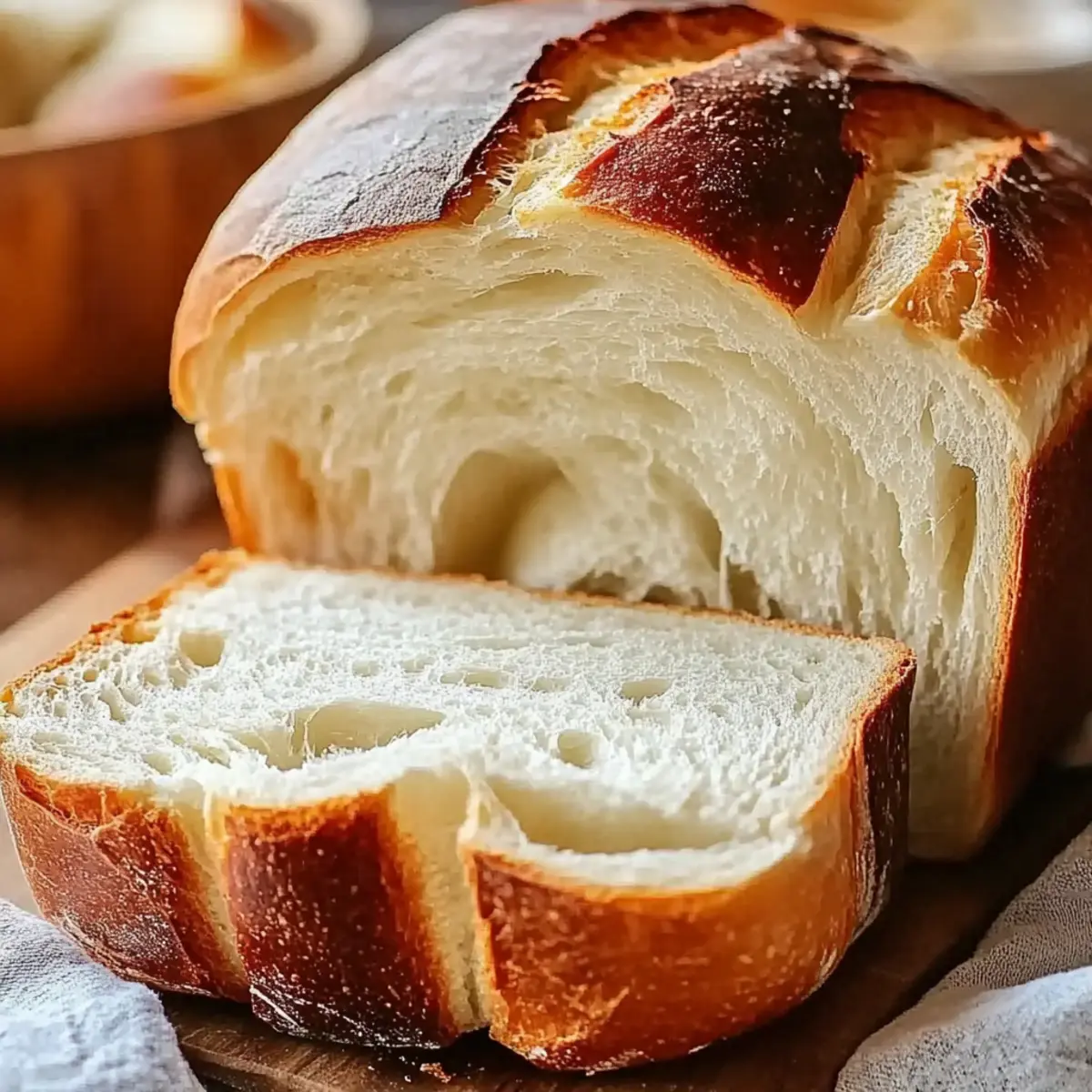
White Bread Variations & Substitutions
Feel free to explore these delightful twists that will bring exciting flavors to your homemade white bread!
-
Whole Wheat: Substitute half of the all-purpose flour with whole wheat flour for a heartier loaf. It adds a nutty taste and increases fiber content. Enjoy the added earthiness!
-
Herbed Bread: Mix in dried herbs like rosemary or oregano for a fragrant infusion. This variation is perfect for serving alongside soups or as a sandwich base.
-
Sweetness Boost: Substitute the sugar with honey or maple syrup for a natural sweetness. Not only does it enhance flavor, but it also adds a lovely golden hue to your crust.
-
Garlic Bread: Add minced garlic to the dough for a savory version. Enjoy this special twist, great for a cozy garlic bread to accompany pasta dishes.
-
Seeds & Grains: Fold in seeds like flax or sunflower for added texture and nutrition. This will also enhance your bread’s visual appeal—who can resist those crunchy bits?
-
Dairy-Free Option: Use olive oil instead of butter for a delightful dairy-free loaf. It gives a subtle richness while keeping bread soft and moist.
-
Spicy Kick: Incorporate crushed red pepper flakes for some heat. This bread is a fun companion to any meal, bringing a zesty surprise to every bite.
With these fun variations, your homemade white bread will never feel ordinary! If you're in the mood for more cozy recipes, don’t forget to check out my favorite Cranberry Pistachio Shortbread for an irresistible treat.
Make Ahead Options
These White Bread loaves are perfect for busy home cooks who crave that homemade taste without the last-minute rush! You can prepare the dough up to 24 hours in advance: after kneading, cover and refrigerate it instead of letting it rise at room temperature. When you're ready to bake, allow the dough to come to room temperature (about 30 minutes) before shaping and proceeding with the second rise. If you prefer, you can also bake multiple loaves and freeze them for up to 3 months; simply wrap them tightly in plastic wrap and aluminum foil. To maintain freshness, let the bread cool completely before freezing. Then, just reheat in the oven for warm, soft, delicious bread whenever you desire!
Tips for the Best White Bread
• Fresh Yeast: Always check your yeast's expiration date. Using stale yeast can lead to flat bread that doesn’t rise properly.
• Knead Properly: Knead until the dough is smooth and elastic, about 10 minutes. Under-kneading may result in heavy, dense white bread.
• Room Temperature: Let the dough rise in a warm area, but avoid too hot places, which can kill the yeast. Aim for a cozy corner in your kitchen!
• Measuring Flour: Scoop flour directly from the bag can lead to over-measuring. Instead, spoon it into the measuring cup and level it off for accurate amounts.
• Cooling Time: Allow the bread to cool completely for the best texture. Cutting too soon can make it gummy and dense, not the soft white bread you desire.
• Storage Tips: Store leftovers in an airtight container to maintain moisture. Homemade white bread doesn’t contain preservatives, so eat it within a few days!
What to Serve with White Bread
The warmth of homemade bread beckons for delightful companions to create a memorable meal.
-
Creamy Tomato Soup: A classic pairing, this smooth soup perfectly complements the soft texture of white bread, ideal for dipping and savoring together.
-
Savory Herb Butter: Spread this aromatic concoction on warm slices; the rich flavors elevate every bite, making the bread even more irresistible.
-
Honey Glazed Carrots: Their sweet and earthy tones create a harmonious balance with the simple taste of white bread, offering a delightful counterpoint on your plate.
-
Baked Macaroni and Cheese: Indulge in gooey goodness; serve the bread with cheesy pasta for a comforting meal that warms the heart and soul.
-
Garden Salad with Vinaigrette: Fresh, crisp salad provides a refreshing crunch, providing a delightful contrast to the softness of homemade white bread.
-
Grilled Cheese Sandwiches: Elevate lunchtime joy by pairing this classic with your warm slices; the melted cheese oozes deliciousness alongside the fluffy bread.
-
Sliced Avocado and Radishes: Topped on toasted bread, this vibrant mix provides a creamy and crunchy experience that’s both nutritious and satisfying.
-
Red Wine or Sparkling Water: A glass of red wine complements the bread's hearty flavor beautifully, while sparkling water refreshes your palate and enhances the meal.
-
Fresh Fruit Salad: A light and colorful option, the natural sweetness of the fruit adds brightness and balances the rich taste of homemade white bread.
How to Store and Freeze White Bread
Room Temperature: Store your cooled white bread in a breadbox or an airtight container to keep it fresh for up to 3 days. Avoid direct sunlight to prevent drying out.
Fridge: While it’s not recommended, if you must refrigerate, wrap the bread tightly to prevent staleness; it can last up to 1 week, though the texture may be impacted.
Freezer: Wrap slices or the whole loaf tightly in plastic wrap and then in aluminum foil. Frozen white bread can last up to 3 months without losing its deliciousness.
Reheating: For best results, thaw bread overnight in the refrigerator, then reheat in a 350°F (175°C) oven for 10-15 minutes to restore softness and crustiness!
White Bread Recipe FAQs
How do I choose the best ingredients for making white bread?
Absolutely! For the best flavor and texture, always opt for high-quality all-purpose flour. Check that your active dry yeast is fresh by ensuring it's not expired; fresh yeast will create a lovely, airy loaf. The sugar you choose can also make a difference—while granulated sugar is common, feel free to experiment with honey for a different taste profile.
How should I store homemade white bread?
Homemade white bread is best stored at room temperature in a breadbox or an airtight container. This helps retain moisture and keep it soft for up to 3 days. Avoid placing it in direct sunlight, as that can dry it out. If you've baked more than you can eat, wrap it tightly in plastic wrap to keep it fresh.
Can I freeze white bread and how?
Certainly! Freezing is a fantastic way to preserve your freshly baked white bread. Wrap the whole loaf or individual slices tightly in plastic wrap, followed by a layer of aluminum foil to prevent freezer burn. You can keep it in the freezer for up to 3 months. When you're ready to enjoy, simply thaw overnight in the refrigerator, then reheat in a preheated oven at 350°F (175°C) for about 10-15 minutes to restore that fresh-baked quality.
What should I do if my dough isn't rising?
Very! If your dough isn't rising, there may be a few reasons. First, ensure your yeast is fresh and active; if it didn’t bubble when combined with warm water, it’s no good. Another reason could be an unsuitable temperature for rising; if it's too cold, dough might struggle. Try placing it in a warmer spot or a slightly preheated oven (turned off) for an extra push. Lastly, be patient! Sometimes dough takes a little longer to rise.
Is this white bread recipe suitable for those with allergies?
While this homemade white bread recipe contains gluten and dairy, there are ways to adapt it for certain dietary needs. For a gluten-free option, use a gluten-free flour blend and adjust the liquid amounts accordingly. If you're avoiding dairy, simply substitute the butter with olive oil or a dairy-free margarine. Always check labels of these substitutes to ensure they meet your dietary requirements!
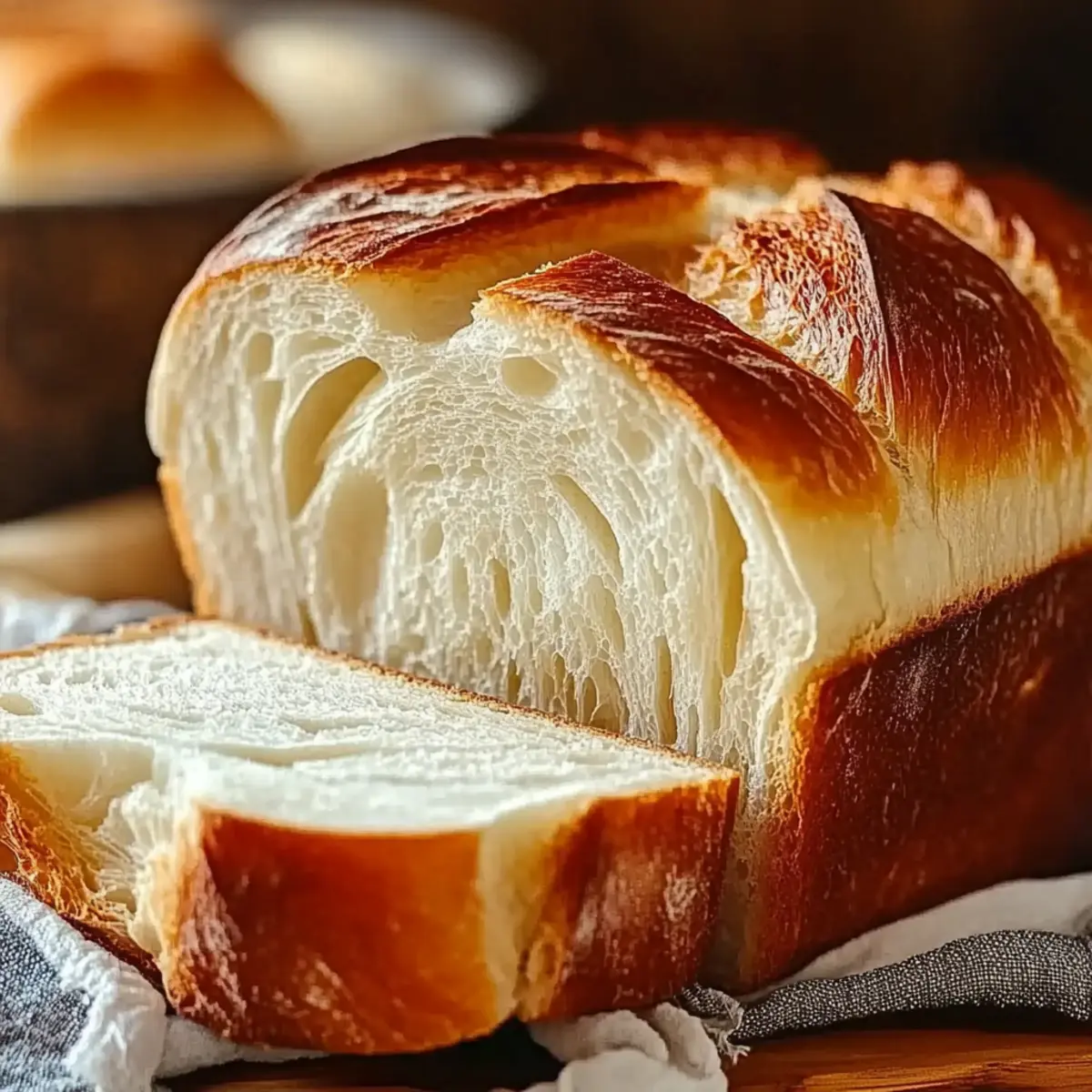
Irresistibly Soft White Bread You Can Make at Home
Ingredients
Equipment
Method
- In a large mixing bowl, combine 1 ½ cups of warm water and 2 tablespoons of sugar. Sprinkle 2 ¼ teaspoons of active dry yeast on top and let sit for about 5-10 minutes until foamy.
- Once foamy, add 4 cups of all-purpose flour, 1 tablespoon of salt, and 2 tablespoons of melted butter to the bowl. Mix until a dough forms, about 3-5 minutes.
- Transfer the dough to a floured surface and knead for approximately 10 minutes until smooth and elastic.
- Place kneaded dough in a greased bowl, cover with a clean cloth, and let rise in a warm place for about 1-2 hours until doubled in size.
- After rising, punch down the dough, shape into a loaf, and place seam-side down in a greased loaf pan.
- Cover the pan with a cloth and let rise for about 30-45 minutes until it rises above the edge of the pan.
- Preheat oven to 375°F (190°C).
- Bake the loaf in the preheated oven for 25-30 minutes until golden brown and hollow-sounding when tapped.
- Allow the bread to cool in the pan for a few minutes, then transfer to a wire rack to cool completely.




Leave a Reply